Custom Hoodies Printing: A Practical Guide to Getting It Right
Why Hoodies Have Become the Go-To for Custom Apparel
Walk into any coffee shop in Los Angeles on a cool morning and you will see them: hoodies with local brewery logos, band names, small business tags, or just a clever inside joke stretched across the chest. Hoodies have moved far beyond gym wear. They are the uniform of creative agencies, food trucks, fitness studios, and even law firms that want a relaxed Friday vibe. That is why custom hoodies printing has become such a busy corner of the apparel world, and why so many people are searching for the right way to do it.
I have spent years in the print industry, and I have seen the same mistakes repeated by first-time buyers and seasoned event planners alike. They pick the wrong garment, choose the wrong decoration method, or send a logo that is too low resolution to survive the print process. The good news is that most of these problems are easy to avoid once you understand a few basics. This guide walks through the decisions that actually matter, from fabric weight to print technique, so you can order hoodies that people will actually wear.
Start With the Right Blank Hoodie
The blank garment is the foundation of everything. A great print on a cheap, scratchy hoodie will still feel like a cheap hoodie. A mediocre print on a premium, soft hoodie might get worn anyway, but you want both to be good. When you are evaluating blanks, look at fabric weight, usually measured in grams per square meter (GSM). Lighter hoodies, around 240 to 280 GSM, work well for layering or for warmer climates. Heavier options, 300 GSM and up, feel substantial and hold their shape better, which makes them popular for team jackets or winter merchandise.
Cotton blends are the standard for custom work because they accept ink well and soften over time. A 50/50 cotton-polyester blend is a safe choice for most projects. It resists shrinking and fading better than 100 percent cotton, and it dries faster. But if you want that broken-in feel from day one, a ringspun cotton hoodie is worth the slightly higher price. The difference is noticeable when you put it on. I always recommend ordering a sample of any blank before committing to a bulk order. The few dollars you spend on a sample can save you from a hundred hoodies that feel like sandpaper.
Screen Printing vs. DTF: Which One Fits Your Project?
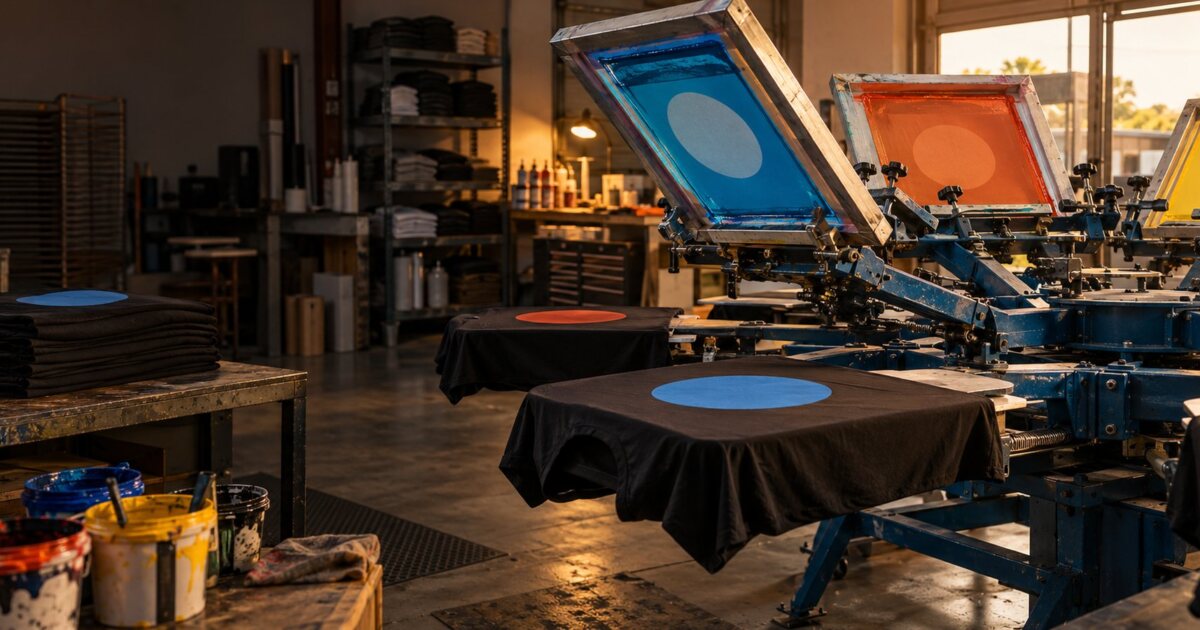
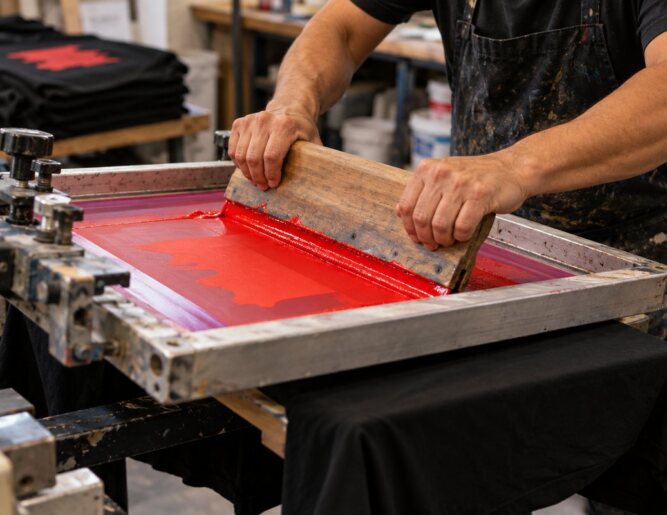
The biggest technical decision is how the design gets applied to the fabric. Screen printing has been the industry workhorse for decades, and for good reason. It produces vibrant, durable prints that can withstand dozens of washes. The process involves pushing ink through a mesh stencil, one color at a time. That makes it cost-effective for large quantities, but the setup cost per color can be a hurdle for small runs. If you need 50 hoodies with a two-color logo, screen printing is often your best value. If you need 10 hoodies with a six-color photo-like design, you will pay a lot per piece because of the setup time.

Direct-to-film, or DTF, has changed the game for smaller orders and complex designs. DTF prints your artwork onto a special film, then transfers it to the hoodie with heat and pressure. It allows for full-color prints without the per-color setup of screen printing. That makes it ideal for one-off samples, small batches, or designs with gradients and photographs. The trade-off is that DTF prints can feel slightly thicker on the fabric, and they may not last as long as screen printing if you wash them aggressively. For most custom hoodies printing Custom Shirt Printing projects, either method works, but knowing the difference helps you ask the right questions.
I have seen customers get attached to a DTF sample, then order 200 units and wonder why the price per piece is higher than they expected. The answer is that DTF is a digital process, so the cost per print stays relatively flat. Screen printing drops dramatically once you hit a certain quantity. If your order is under 24 pieces, DTF is often the smarter route. If you are going past 50, screen printing usually wins on both price and longevity. That is the kind of trade-off that a good print shop will walk you through, and it is worth listening to their advice.
Design Tips That Save You From Disaster
Your artwork is the second biggest factor in how your hoodies turn out. The most common mistake is sending a logo that was saved for a website, usually a small JPEG with a white background. A print shop can sometimes work with that, but the result will never be as sharp as a vector file. Vector formats like AI, EPS, or SVG store artwork as mathematical lines, so they scale to any size without losing quality. If you do not have a vector file, a high-resolution PNG with a transparent background is the next best thing.
Think about size and placement. A chest print that looks perfect on a computer screen might be too small or too large when you actually see it on a hoodie. A general rule is that a left chest logo should be about three to four inches wide, while a full back print can go up to 12 or 13 inches. Also, consider the hoodie's drawstrings and pocket. Large prints that wrap around the front can get distorted by the pocket area, so many printers recommend keeping front prints above the pocket line unless you are doing a full front design intentionally.
Color matching is another area where expectations can clash with reality. If your brand uses a specific Pantone color, provide that code. Most shops can match it closely, but there will always be slight variations because of the fabric texture and the printing method. A white hoodie will show colors differently than a black hoodie. Dark fabrics often require an underbase, which adds a layer of white ink underneath the design to keep colors bright. That is standard, but it can affect the feel of the print. Ask your printer about underbase strategy and whether a distressed or vintage look is possible, because that style has become popular for hoodies and it changes the design approach.
How Many Hoodies Should You Order?
Order quantity is not just about budget. It affects the printing method, the per-unit cost, and even the timeline. Screen printing has a setup fee that is spread across the entire run. So ordering 10 hoodies with a four-color design might cost you $40 per piece, while the same design on 100 hoodies might drop to $15 per piece. DTF has no setup fee, but the per-print cost stays around $5 to $10 depending on size and coverage. For a small team or a limited drop, DTF is a no-brainer. For an event that needs 200 hoodies, screen printing is almost always the better call.
There is also the question of sizing. Hoodies are unisex for the most part, but a standard unisex size chart runs a bit boxy. If your group is mostly women, you might want to order a run of women's fit hoodies. That means you need to know your audience before you place the order. I have seen a company order 100 large hoodies and then realize their staff is mostly medium. That is a costly mistake. Always ask for a size breakdown from your group, and order a few extra in the middle sizes because those tend to run out first.
Working With a Print Shop That Gets It
Not all print shops are the same. Some are order takers that just push your design through a machine. Others, like the family-owned shops you find in places like Los Angeles, offer a consultative experience. They will ask about your audience, your budget, and your timeline. They will show you samples and explain why one garment is better than another. They will also give you honest feedback on your design, which is valuable even if it means tweaking your original idea.
When you are comparing shops, ask about their in-house production. A shop that prints in-house can control quality and turnaround time. If they outsource, you are at the mercy of a third party. Also ask about their design help. Many shops, including Custom Shirt Printing, offer free design assistance, which can be a lifesaver if you are not a graphic designer. They can clean up your logo, adjust colors, or suggest layout changes that will print better. That kind of help is often baked into the price, so take advantage of it.
One more thing: turnaround time. Custom hoodies printing Custom Shirt Printing is not a same-day service, even though some shops try to make it seem that way. Screen printing requires creating screens, curing ink, and inspecting each piece. DTF requires printing films, applying adhesive powder, and heat pressing. A typical production run takes 7 to 10 business days. If you need something faster, ask about rush options, but be prepared to pay extra. Plan ahead, and you will avoid the stress of a deadline that is too tight.
Care and Maintenance: Making Your Hoodies Last
Once you receive your hoodies, how you wash them matters. Turn them inside out before washing to protect the print from friction. Use cold water and a gentle cycle. Avoid bleach and fabric softeners, which can break down the ink or adhesive. Tumble dry on low, or better yet, hang them to dry. High heat is the enemy of any print, especially DTF transfers. If you follow these steps, a good print can last for years. If you ignore them, you will see cracking and peeling within a few months.
I have a hoodie from a 2019 event that still looks new because I treat it carefully. The print is a simple one-color screen print, and it has held up through dozens of washes. On the other hand, I have seen customers complain about a DTF print that started to peel after a few washes, and in most cases, they were washing on hot and throwing it in a hot dryer. The method is not the problem; the care is. So if you are handing out hoodies to a team, include a small care card or just tell them the basics. It saves everyone from disappointment.
Final Thoughts on Custom Hoodies Printing
Custom hoodies printing Custom Shirt Printing is a process that rewards a little bit of planning. Start with a quality blank, choose the right decoration method for your order size, and send clean artwork. Talk to your printer about their process and ask for samples. A good shop will guide you, but you still need to make informed decisions. Whether you are outfitting a corporate retreat, promoting a band, or creating merch for your online store, the same principles apply. Get the details right, and you will end up with hoodies that people reach for again and again.
The market is full of options, from online print-on-demand services to local shops. If you want a hands-on experience and the ability to see samples before you commit, working with a local printer is hard to beat. Shops like Custom Shirt Printing bring decades of experience and a personal touch that you just do not get from a faceless website. They will help you avoid the pitfalls and make sure your custom hoodies come out looking sharp. So do your homework, ask the right questions, and enjoy the process. The hoodies you create will be worth it.
 Facebook
 Instagram